Design styles
Style names are hard to pin down, and everyone uses them a little differently. For cabinets, a style mostly comes down to three choices: the door, the finish and the details around them. Start with those and the name takes care of itself.
Four doors, from most detail to least.
The door does more to set a style than anything else in the kitchen. Most doors fall into one of these four families.
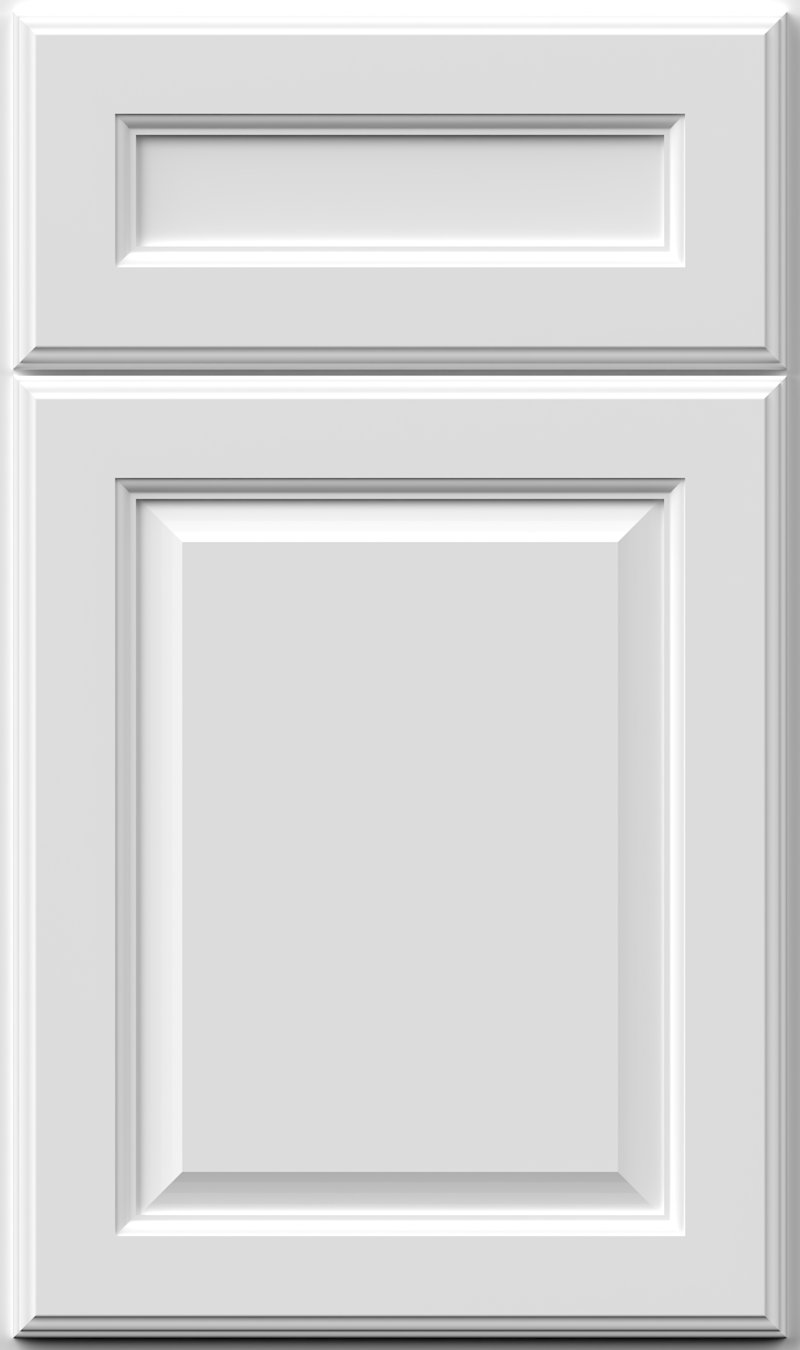
Raised panel
The center panel is shaped so it rises toward you, with a profiled edge that catches light and shadow.
From Fabuwood, J&K and Northville.
See raised panel doors
Shaker
A flat center panel inside a square five-piece frame. Plain enough to go modern, detailed enough to go classic.
From all five of our lines.
Plain & Fancy offers this style too.
See shaker doors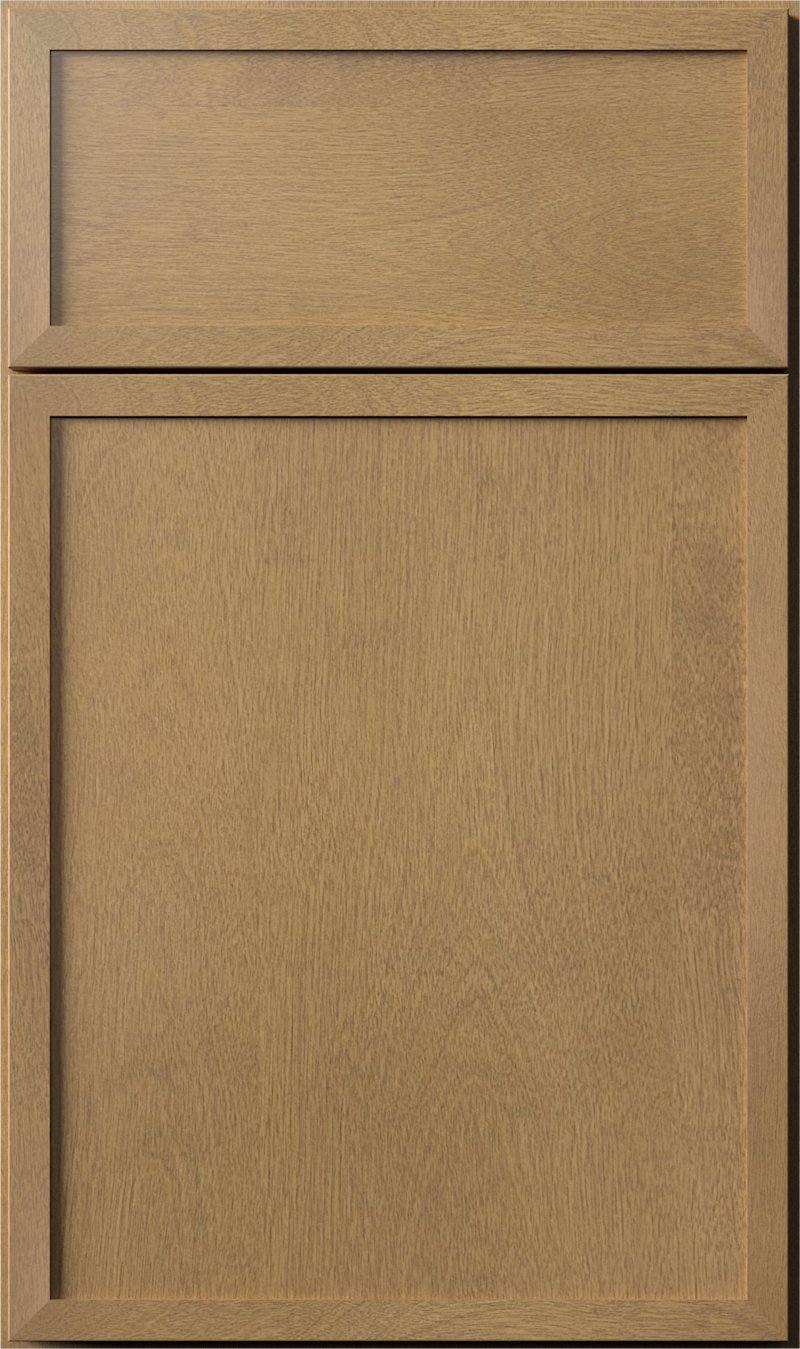
Slim shaker
The same idea as shaker with narrower rails and stiles. It reads cleaner and more current.
From Fabuwood and KCD.
Plain & Fancy offers this style too.
See slim shaker doors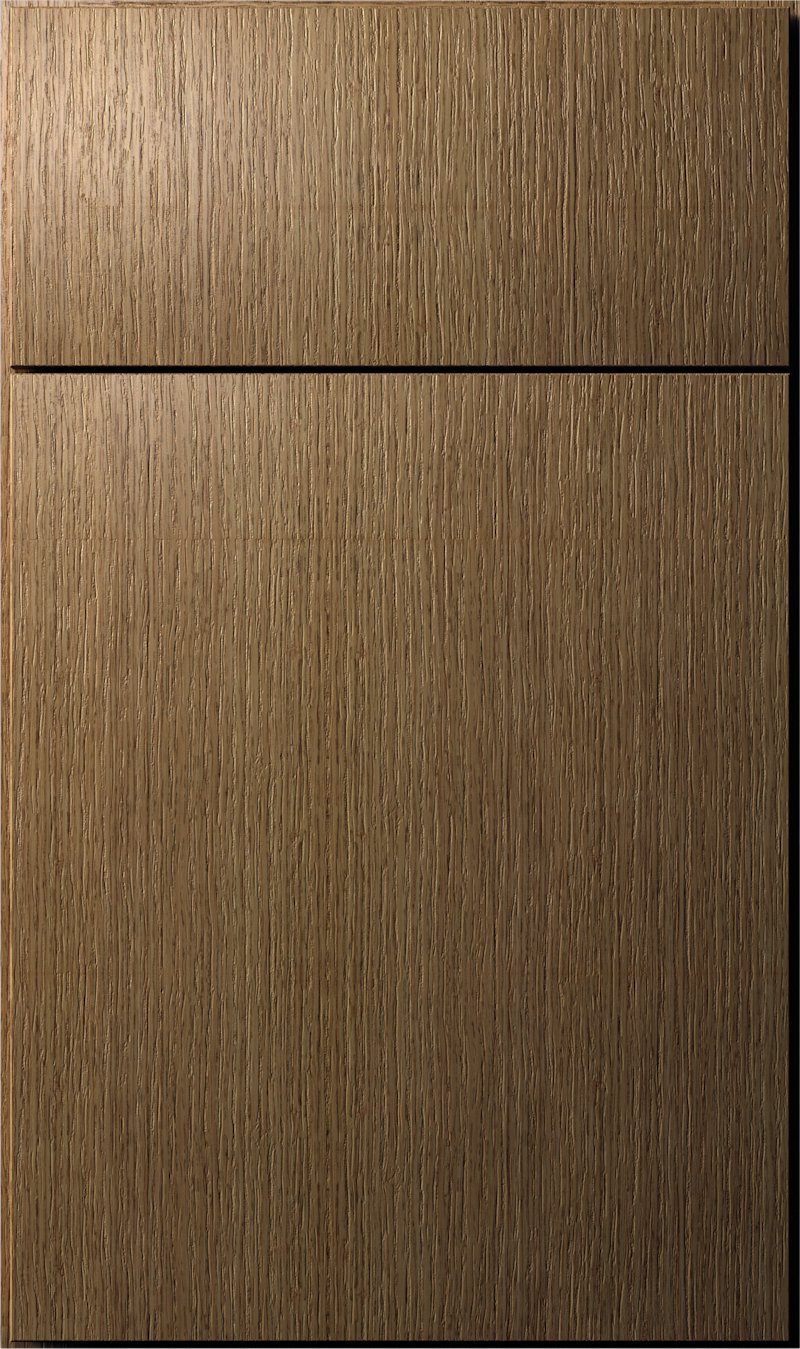
Slab
One flat surface with no frame. The color or wood grain does all the work.
From Fabuwood.
Plain & Fancy offers this style too.
See slab doorsMost kitchens lean one of three ways.
Hundreds of named styles fit into three broad groups. Here's what each one tends to look like with the doors and finishes we carry.
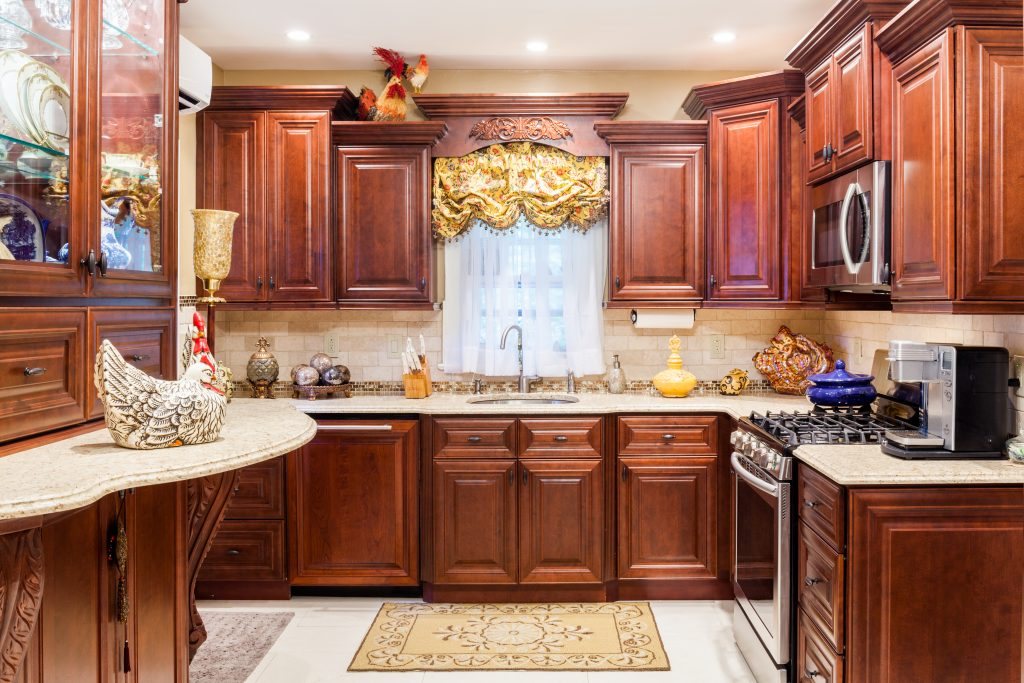 Photo: J&K Cabinetry
Traditional
Warm, detailed and formal.
Traditional kitchens borrow from older houses: furniture-like cabinets, rich wood tones and trim that frames the room. It feels settled and built to last.
 Photo: Fabuwood
Transitional
Classic shapes, simpler lines.
Transitional sits between the two ends. It keeps the familiar shape of a classic kitchen and strips back the ornament. It's the easiest look to update later with paint, hardware and lighting.
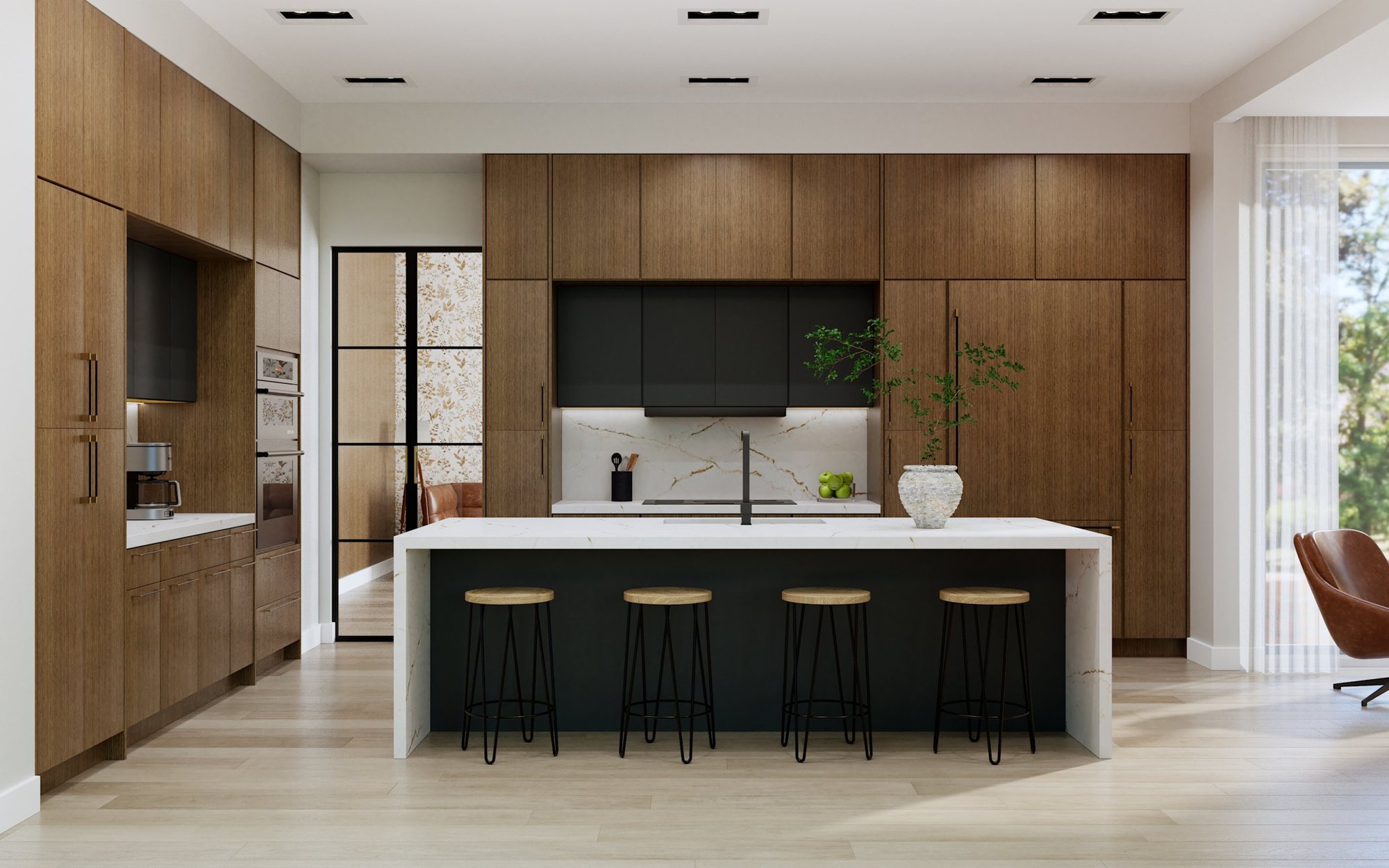 Photo: Fabuwood
Contemporary
Flat, clean and quiet.
Contemporary kitchens put the material first. Flat fronts, long runs of cabinetry and very little trim let the wood grain or color carry the room.
Somewhere in the middle.
Plenty of kitchens don't fit one group, and they don't need to. Mixing finishes or doors is how most people make a kitchen their own.
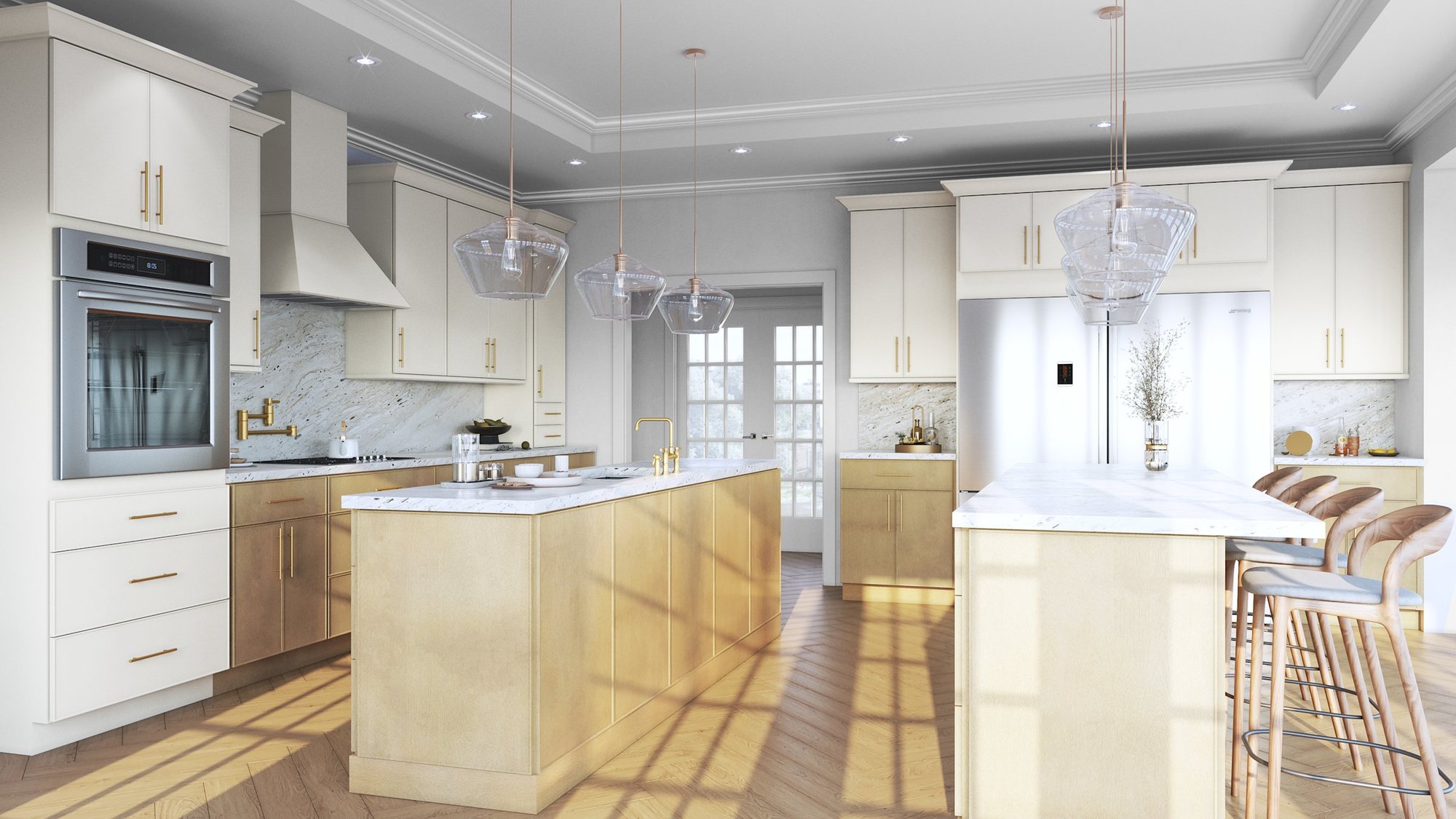 Photo: Fabuwood
Two finishes, one door
Fabuwood Echo in Timber and Dove. A slim shaker door in warm wood and a soft white. The wood keeps it from feeling stark, and the door keeps it from feeling formal.
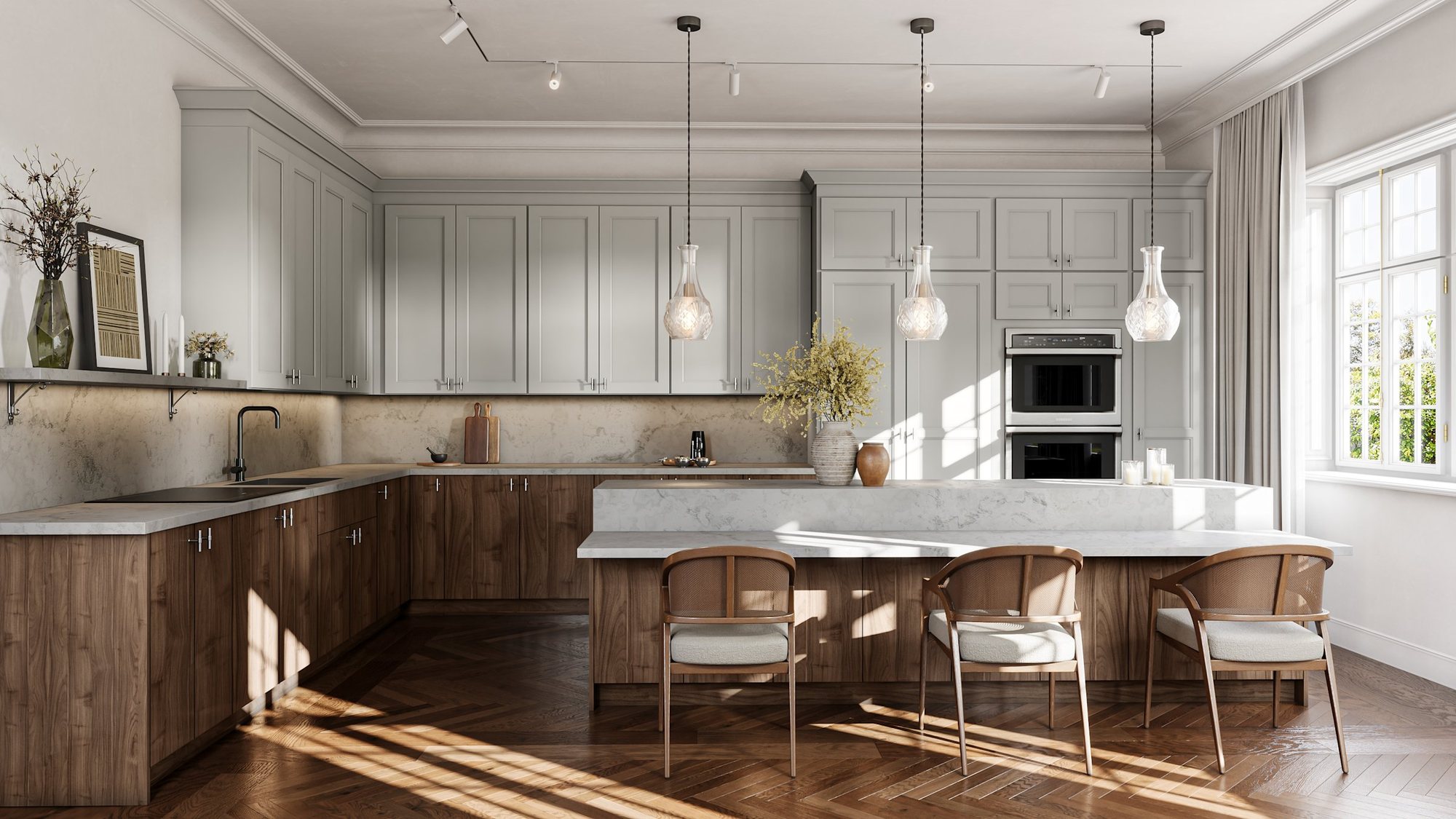 Photo: Fabuwood
Two doors, one room
Fabuwood Nexus in Cloud White with Catalina in Nocce 3. White shaker on the walls and a wood slab island. Mixing a framed door with a flat one is an easy way to land in the middle.
Popular styles and where to start.
If you already have a name in mind, here's the door and finish we'd usually start with. Your designer will adjust from there.
Not sure what your style is?
You don't need a name for it. These help a designer see what you see.
- 01
Save what you like
Collect photos from our gallery and save doors and finishes to My Selections. Ten pictures say more than any style name.
- 02
Note what you don't like
A short list of things to avoid narrows choices quickly. Too busy, too dark and too shiny are all useful answers.
- 03
Look at the rest of the house
Floors, counters, the age of the home and the rooms you can see from the kitchen all shape what will fit.
- 04
Think about the long run
Bold colors and trends are easy to add on an island or with hardware. The main run of cabinets will be there for years.
Let's find your style together.
Your first design consult is free. Bring your photos to the showroom, and a C&S Cabinetry designer will pull doors and finishes that match. We can install the cabinets too.